

Introduction: Why You Need a Careers Advisor in Today’s Sales Landscape
Let’s be real. Finding a great sales job right now feels like a full-time job in itself. A recent survey found that 58% of US job seekers think finding work will be even harder in 2026. You are up against fragmented job boards, pay structures that are never transparent, and tougher competition than ever.

The old method of just sending out resumes and hoping for the best? It is not cutting it anymore.
Here is the thing. A skilled careers advisor can cut through that noise. They give you clarity on where to focus your time, help you decode compensation packages, and map out a path that actually fits your strengths. Working with a good advisor or using a smart career test like a career aptitude test from a trusted source such as Career One Stop can save you months of frustration.

This guide combines real 2026 job market data with practical steps to help you take control of your sales career. Whether you are looking for your next role or planning a long term move, the right support makes all the difference. And if you want a more hands on approach to finding opportunities, check out our guide on how to land sales jobs in 2026 with a curated job lot method.
Understanding the Role of a Careers Advisor in Sales
So what exactly does a careers advisor do differently for salespeople? Unlike a generic coach, a good advisor knows the ins and outs of commission structures, quota pressures, and sales specific interview formats. They help you match your skills with roles that actually reward your strengths.

Think of it this way. A general career coach might help you polish your resume. A sales focused advisor helps you decode whether a role is a stepping stone or a dead end. They guide you through the maze of base salary plus commission and help you ask the right questions before you even apply.
Many top advisors hold credentials from trusted organizations like the International Coaching Federation.

This matters because it means they follow proven coaching standards. Some also pair their advice with a solid career test or career aptitude test to reveal hidden strengths you might not see in yourself. Tools like Career One Stop can also help you research industries before you commit.
A great careers advisor saves you time and helps you avoid costly wrong turns. Want more hands on guidance? Check out our guide on retail sales jobs and career advancement to see how the right fit can accelerate your path.
What Is a Careers Advisor and Why You Need One
A careers advisor is a professional who sits down with you one on one. They help you map out your career path, polish your resume, prep for interviews, and spot skill gaps. For salespeople, this is a game changer.
Here is why. A good advisor does not hand out generic advice. They understand the difference between an SDR role and an AE position. They know what sales managers look for. They help you target the right opportunities and skip the dead ends.
Many trusted advisors earn credentials through programs like the ICF Certified Accredited Career Coach program. This means they follow proven standards. Whether you need a career test to uncover hidden strengths or guidance on your next move, an advisor saves you time and costly mistakes.
Want a smarter way to land your next role? Check out our guide on how to land sales jobs with a curated approach to pair with your advisor’s insight.
How Careers Advisors Differ for Sales vs. Other Industries
Not all careers advisors are the same. A general advisor might help you write a generic resume or take a career aptitude test. But a sales-focused careers advisor lives in a different world. They understand quota pressure, territory maps, and commission negotiation. They know that a missed number in Q3 can mean a different career path by Q4.
Sales advisors often come from the trenches. Many have held sales leadership roles or worked directly in recruiting for sales teams. They speak your language. They know what hiring managers in tech, SaaS, or medical sales actually look for. They do not waste time on fluffy job boards. Instead, they help you target companies where your specific sales profile fits best.
If your careers advisor has never negotiated a comp plan or managed a territory, they might steer you wrong. That is why finding someone with real sales experience matters. Programs like the ICF Certified Accredited Career Coach program offer a strong foundation, but industry-specific experience makes the real difference.
To see how a tailored approach can land you the right role, check out our guide on landing sales jobs with a curated method.
Top Pain Points for Sales Job Seekers and How a Careers Advisor Can Help
Finding a sales role in 2026 feels tougher than ever. A January 2026 survey found that 58% of US job seekers say finding work will be harder this year, even as 42% are already hunting. Three pain points hit hardest: difficulty tracking down relevant openings, interview anxiety, and confusion over compensation plans.
A skilled careers advisor tackles each one directly.

They use industry data to point you toward the right companies, not generic job boards. They help calm interview jitters with sales-specific mock interviews. And they decode commission structures so you know your true earning potential.
That targeted support can turn a stalled search into a real offer. Learn how a curated approach helps you land the right role faster with our guide to landing sales jobs in 2026 with a curated method.
Difficulty Finding Relevant Sales Jobs
Here is one of the biggest frustrations in 2026. You know you have the skills, but the right sales roles seem invisible. Many high quality sales positions are never posted publicly. They are filled through internal referrals or recruiter networks. A report from Reed highlights that the 2026 sales market relies heavily on culture and human connection, meaning companies often hire through trusted channels instead of job boards.
A careers advisor changes this. They do not just send you to the same generic sites everyone uses. They have access to a real network of hiring managers and recruiters. They can point you to opportunities you would never find on your own.
Advisors also help you become findable. They optimize your LinkedIn profile and resume with the exact keywords recruiters are searching for right now. This turns your profile into a magnet for hidden opportunities. Instead of hunting endlessly, you get found.
Learn how a targeted approach can unlock these hidden doors with our guide to landing sales jobs in 2026 with a curated method.
Interview Anxiety and Preparation
Sales interviews hit different. You face role-play scenarios, objection handling, and deep questions about your past quota numbers. That pressure can rattle anyone, especially when 58% of US job seekers in 2026 say finding work will be even harder. A careers advisor changes the game.
First, they run mock interviews that mirror the real thing. You practice handling objections and telling your story until it feels natural.

They give you simple storytelling frameworks so your answers sound confident, not rehearsed.
Your advisor might also recommend a career test or career aptitude test to identify your natural strengths. Knowing your top skills makes your interview answers more authentic and memorable. They can even point you to a Career One Stop for extra practice materials.
Instead of freezing up, you walk in prepared. For more strategies on nailing your next interview, check out our guide to interview success.
Understanding Compensation Structures
Let’s be honest. Sales compensation can feel like a puzzle. Terms like "base plus commission," "draw versus commission," and "residual" get thrown around. It is easy to get confused. A careers advisor helps you decode it all.
They start by explaining common models. For example, a 50/50 or 60/40 split between base pay and variable pay is typical. An advisor shows you how On-Target Earnings (OTE) work and helps you calculate a realistic income. OTE combines your base salary with expected commissions. Knowing this helps you compare job offers fairly. Industry benchmarks tell you what is competitive for 2026.
Your advisor also helps you negotiate terms. They guide you on what to ask for based on your skills and the role. With their help, you avoid bad deals and walk into your next job knowing your true earning potential. For more tips on landing the right opportunity, read our guide to landing sales jobs in 2026.
Skill Development for Sales Roles: A Practical Framework
Sales in 2026 demands hard skills and soft skills. Hard skills include CRM, prospecting, and closing. Soft skills like resilience and communication matter just as much. The Zendesk guide lists tech-savviness as essential for every rep today.
Randstad also highlights customer relationship management as a trending must-have.
This is where a careers advisor helps. They use a career test or career aptitude test to identify your strengths and weaknesses. These assessments show exactly where you need work.
With that data, your advisor builds a plan. They might use Career One Stop to find training programs and certifications. Maybe you need CRM practice. Maybe you need to sharpen negotiation skills.
For more on finding the right path, check out our guide to landing sales jobs in 2026. And if you are exploring part-time options, our weekend jobs for sales professionals might help.
Essential Skills for Modern Sales Reps
What skills actually matter in 2026? The foundation stays the same. Prospecting, active listening, negotiation, and deep product knowledge are still essential. The Zendesk guide confirms these are non-negotiable for any rep.
But the game has changed. Emerging skills like data analytics, virtual selling, and AI tools now separate average performers from top earners. Morgan McKinley lists CRM and AI proficiency as the most in-demand skills for 2026. And Randstad points to tech-savviness as a trending must-have.
A careers advisor helps you sort through all this. They use a career test or career aptitude test to compare your current abilities against what employers actually want. Resources like Career One Stop provide free assessments to guide your training choices and fill skill gaps. For a deeper look at how specific industries value these skills, explore our retail sales jobs guide.
Using a Careers Advisor to Identify and Bridge Skill Gaps
You know you need to level up, but where do you start? A careers advisor can give you clarity. They use diagnostic tools like a career test or career aptitude test to spot exactly where you are weak. For example, they might run a role-play exercise to see how you handle objections, then give you honest feedback. Once the gaps are clear, the advisor recommends targeted resources. That could be a formal certification, a short online course, or even a project at your current job to practice a new skill. The goal is to close the gap between where you are and what top employers demand. According to experts, the skills that matter most in 2026 include tech-savviness and CRM proficiency, and a good advisor will help you build those. For step-by-step guidance on taking control of your job search, check out our guide on landing sales jobs in 2026 with a curated job lot method. You can also start with free diagnostic tools like Career One Stop to get an honest look at your current abilities.
Navigating Career Progression in Sales
You’ve probably heard the classic sales ladder: SDR to BDR to AE to Team Lead and eventually VP. It sounds clean and simple. But the reality in 2026 is rarely a straight line. Most sales pros take detours. They change industries, switch company sizes, or move from inside sales to field roles. A careers advisor helps you map these twists. They use a career aptitude test to understand your strengths, then define realistic milestones and timeframes. They might suggest targeting a fast-growing SaaS company instead of a slow-moving enterprise, or shifting from hardware to software. The goal is to make each move count. In 2026, top employers are looking for tech fluency and strong product knowledge alongside traditional relationship skills, as highlighted by Zendesk. For more on finding the right kind of role, check out our guide on retail sales jobs and advancement.
Typical Career Paths: From SDR to VP of Sales
The classic sales ladder looks like this: SDR or BDR, then quota-carrying AE, then Senior or Enterprise AE, followed by Sales Manager, Director, and eventually VP of Sales.
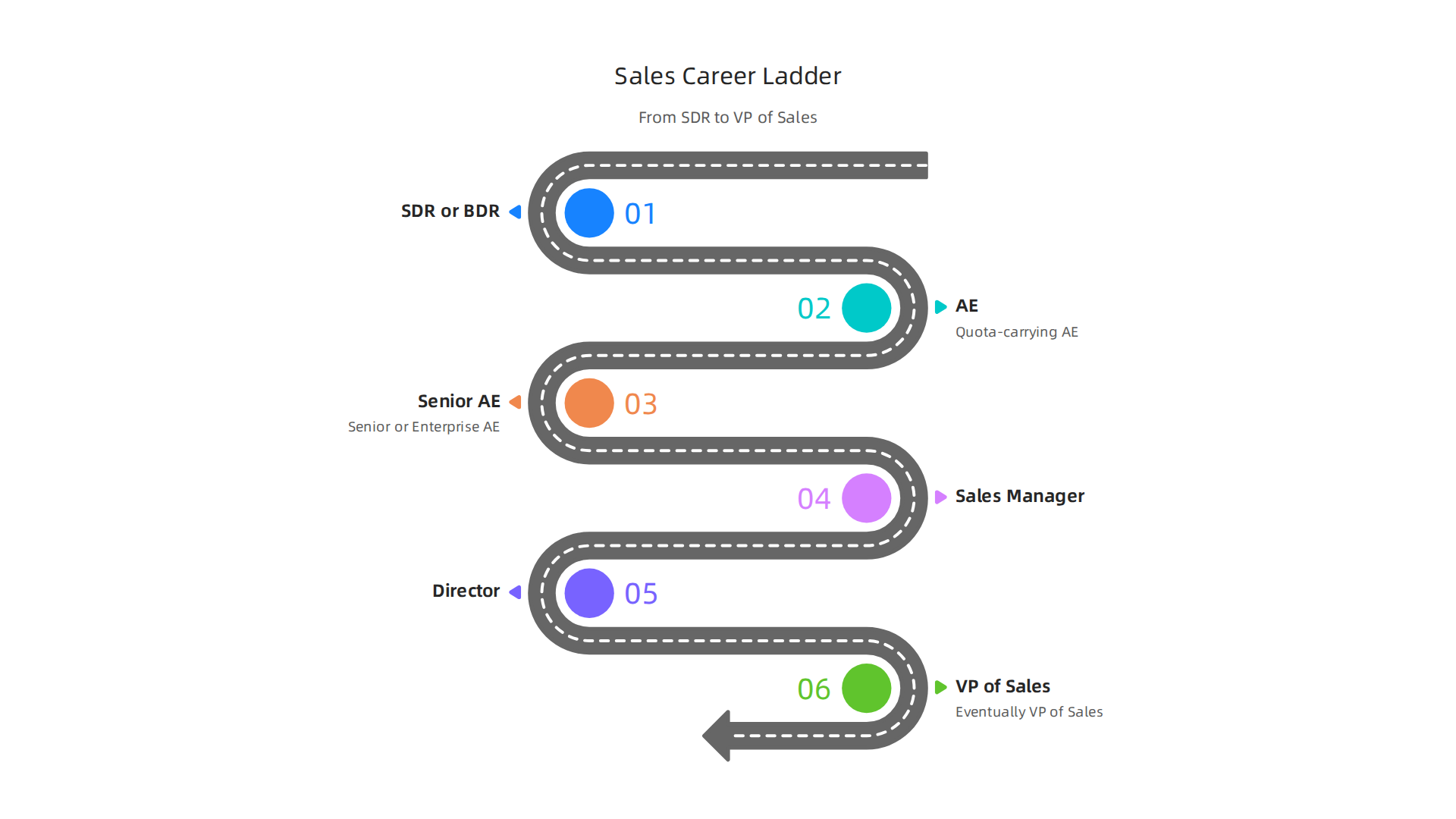
But that’s not the only way up. Many reps take alternative routes into Sales Engineer, Customer Success, or Sales Operations roles. These paths can be a better fit for your strengths.
A careers advisor can help you decide which track suits you best. You might take a career aptitude test to see if you’re wired for management or a specialized function. Resources like Career One Stop offer tools to explore these options. To move up, focus on building tech fluency and product knowledge. Skills like CRM and AI are now essential, according to Morgan McKinley. For step-by-step help landing your next role, check out our guide on landing sales jobs in 2026 with a curated job lot method.
How a Careers Advisor Can Help Map Your Growth
Knowing the typical sales ladder is one thing. Figuring out your next step on it is another. That’s exactly where a careers advisor becomes your biggest asset. These professionals don’t just hand you a list of job titles. They help you set realistic goals for 1 year, 3 years, and 5 years from now. They also spot the experience gaps you might miss on your own.
For example, your advisor might start by having you take a career aptitude test to pinpoint your natural strengths. Then they help you build a plan to fill those gaps, targeting skills like negotiation or CRM fluency. Many certified advisors complete rigorous training, like the ICF Career Coaching Certification, so they know how to guide you through internal office politics, find the right mentor, and craft a personal brand that stands out. That kind of coaching can make the difference between staying stuck and moving up.
If you’re ready to start putting that advice into action, check out our guide on weekend jobs that build your career. It shows how part time roles can be a smart stepping stone while you work toward your longer term goals.
Remote Sales Opportunities: Thriving in a Distributed World
After plotting your growth journey with a careers advisor, it’s time to explore one of the biggest trends in 2026: remote sales. Nearly 45% of sales roles are now fully remote, especially in software and services cite. But competition is fierce. You need self-discipline and the ability to sell through a screen.
A careers advisor is key here. They can analyze your strengths using a career test and help you decide if remote work fits. They also coach you on virtual selling techniques, from running effective demos to following up without being pushy. That coaching can give you an edge over other candidates.
For a smarter way to land these roles, check out our guide on landing sales jobs in 2026.
Finding Remote Sales Jobs That Fit
After building your virtual selling skills with a careers advisor, your next step is finding where these remote sales jobs are posted. Many appear on niche boards like Remote.co and SalesHacker Jobs, as well as on Built In’s remote sales section cite.
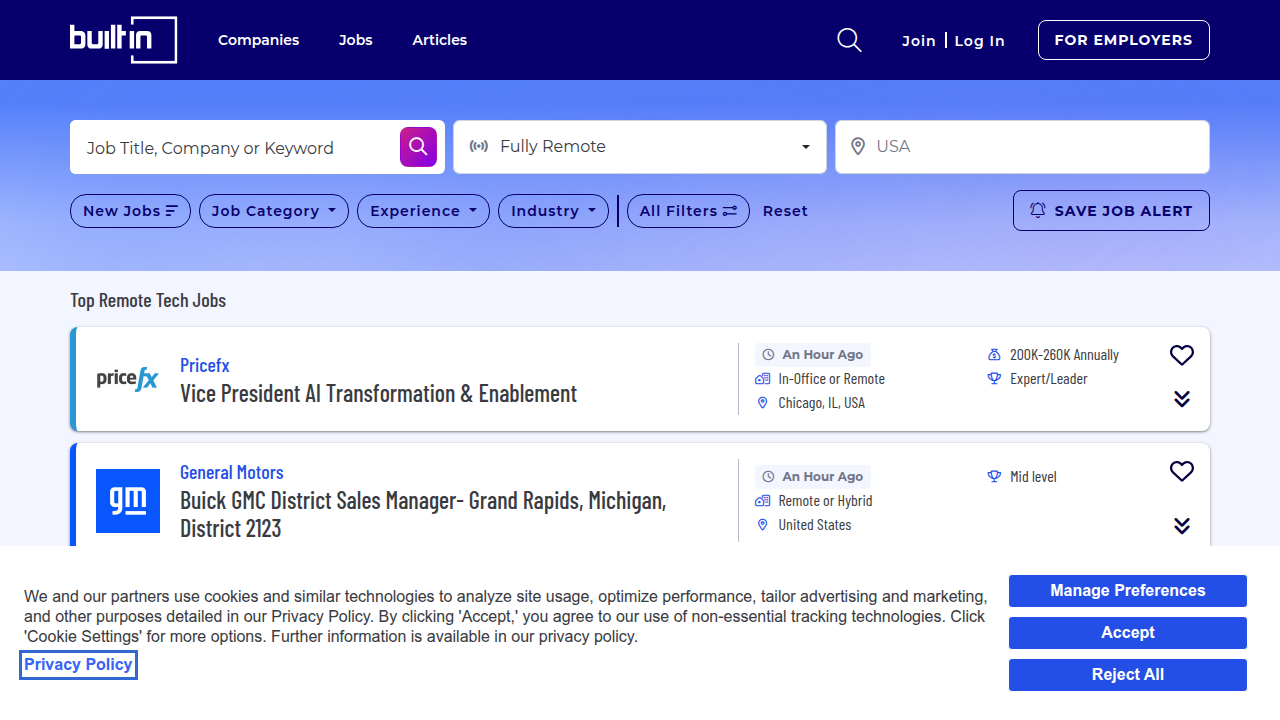
In fact, remote job postings overall increased 20% in the last quarter cite. A careers advisor can help you stand out. They might suggest taking a career aptitude test to narrow down your focus. They also tailor your resume to highlight autonomy, time management, and virtual communication skills, exactly what hiring managers look for in 2026. For a deeper look at building your full job search strategy, see our guide on landing sales jobs in 2026 with a curated job lot method.
Advice for Remote Work Success from a Careers Advisor
Once you land a remote sales job, the real test begins. A careers advisor can help you thrive at home. First, create a dedicated workspace where you can focus. Use task management tools like Trello or Asana to stay organized.

And over communicate with your team. In 2026, about 45% of sales roles are fully remote, so standing out matters cite. Your advisor will also teach you to document your wins. Keep a running list of deals closed, problems solved, and positive feedback. Share these updates during one on ones or team meetings. This keeps you visible for promotions. Top companies invest in mentorship and skill development for their remote teams cite. A careers advisor might even point you to a career aptitude test or a Career One Stop resource to map your growth. For more on moving up, check out our guide on retail sales jobs and advancement.
Leveraging a Careers Advisor for Interview Success
A careers advisor does more than help you land a remote sales job. They can also prepare you for the tough sales interview. Sales interviews are known for role play, objection handling, and deep probing of your past numbers. Interviewers will ask about your on-target earnings (OTE) and how you hit quota cite. An advisor teaches you structured frameworks like STAR and CAR to tell clear, compelling stories. They also run mock interviews tailored to sales scenarios. This practice builds confidence and sharpens your answers. Some advisors use a career aptitude test to find your best sales niche. For a deeper dive into nailing your next interview, check out our guide to interview success.
Preparing for Behavioral and Role‑Play Interviews
Your careers advisor also prepares you for two common interview types: behavioral questions and role-play exercises. Behavioral questions focus on your past. Expect to talk about hitting quota, handling objections, and working with a team. Your advisor helps you structure answers using the STAR framework. They may also suggest a career aptitude test to match your strengths to the right sales role. Role-play exercises test your ability to handle a live sales scenario under pressure. You might get a tough customer or a time-sensitive deal and must react on the spot. Many remote sales jobs in 2026 include virtual role-plays during interviews cite. Your advisor can run practice sessions and give you honest feedback. They might also point you to Career One Stop for extra practice tools. For more interview tips, check out our interview preparation resources.
Actionable Steps to Start Working with a Careers Advisor
You know that feeling when you send out dozens of applications and hear nothing back? A careers advisor can change that. Here is how to get started the right way.
1. Check their credentials. Look for certifications from trusted groups like the International Coaching Federation (ICF) or the National Career Development Association (NCDA). ICF-accredited programs, such as the one offered through the Career Coach Certification on Coursera, require rigorous training. This ensures your advisor uses proven methods, not just guesses.
2. Look for sales industry experience. If you want a sales role, a generic coach may not cut it. Find an advisor who has worked in sales or has helped others land sales positions. They will understand commission structures, cold calling, and how to sell yourself. For more on finding sales-specific opportunities, check out our guide on retail sales jobs.
3. Expect a structured process. A good careers advisor will start with a discovery call to learn about you. Then they perform a gap analysis to see where you are versus where you want to be. Finally, they create an action plan with clear steps and hold you accountable. No fluff. Just a path forward.
Where to Find Credible Careers Advisors
Once you know what to look for, the next step is finding someone who checks all the boxes. Start with the ICF Coach Finder, an official directory of certified professionals. This ensures your advisor meets strict industry standards. Another solid option is LinkedIn. Use filters to search for career coaches, and read their profiles to see if they have sales experience. Ask peers or colleagues for referrals too. Personal recommendations often lead to great matches. For more tips on landing your next sales role, check out our guide on landing sales jobs in 2026 with a curated job lot method.
And remember, the best careers advisor for you is one who has actually worked in sales themselves. They can share real-world examples and understand the specific challenges you face in the hiring process. Look for testimonials or case studies that show they have helped others in sales roles.
What to Expect in a Coaching Session
Once you pick a qualified careers advisor, the real journey begins. Here is what a typical coaching engagement looks like.
Your first session focuses on discovery. The advisor will review your career history, discuss your goals, and may have you take a career test or a career aptitude test. This helps them understand your natural strengths and where you fit best. Certified coaches follow a structured process based on standards set by groups like the ICF.
After the initial meeting, the real work starts. Your careers advisor will help you overhaul your resume to highlight your sales wins. Then you will practice with mock interviews based on real sales scenarios. They also help you target the right opportunities, whether you are looking at retail sales or a specialized field like medical sales. Finally, they will coach you on offer negotiation so you get the salary and commission you deserve. This focus on real outcomes is what professional coaching is all about.
Conclusion: Take Charge of Your Sales Career with a Trusted Advisor
You now have everything you need to take the next big step. A skilled careers advisor helps you stop spinning your wheels and start moving forward. They tackle your biggest pain points like resume gaps, interview nerves, and unclear career paths. And they give you a clear roadmap for growth.
Evidence backs this up. Sales professionals who work with a coach land better roles faster. Many trusted advisors complete programs approved by the International Coaching Federation. You can explore career coach certification options to understand what makes a great coach.
Think about where coaching fits your journey. Maybe you want to move from retail into a specialized field. Or you need help navigating company applications. An advisor can guide you through retail sales jobs and beyond.
Here is your next move. Research a few vetted careers advisors. Look for credentials like ICF certification. Then schedule a consultation. A one hour conversation could save you months of frustration. Take charge of your sales career today.
Summary
This article explains why a careers advisor can be a game changer for sales professionals navigating a tougher 2026 job market, where many roles hide off job boards and 58% of US job seekers expect a harder search. It covers what a sales-focused advisor does differently from a generic coach—decoding commission plans, running sales-specific mock interviews, identifying skill gaps with career aptitude tests, and opening recruiter networks for hidden roles. You’ll learn how advisors help compare offers using OTE math, prepare for role-play interviews, map realistic career paths from SDR to VP, and target remote opportunities. The guide also explains how to vet advisors (look for ICF or industry experience), what a typical coaching engagement looks like, and practical first steps to get started so you can shorten your job search and make smarter career moves.