

Introduction: Why Sales Enablement Is Your Career Accelerator
If you have ever felt stuck in your sales job search, you’re not alone. Maybe you have the skills but struggle to find the right opportunities. Or maybe you know you could sell well if you just had better training. Here’s the good news. There’s a proven system that can help you move forward faster. It’s called sales enablement.
Sales enablement is the use of training, content, and coaching to help sales professionals improve their skills Coursera. In 2026, this approach matters more than ever. According to recent data, 76% of organizations now have a dedicated sales enablement function, up from just 32% five years ago
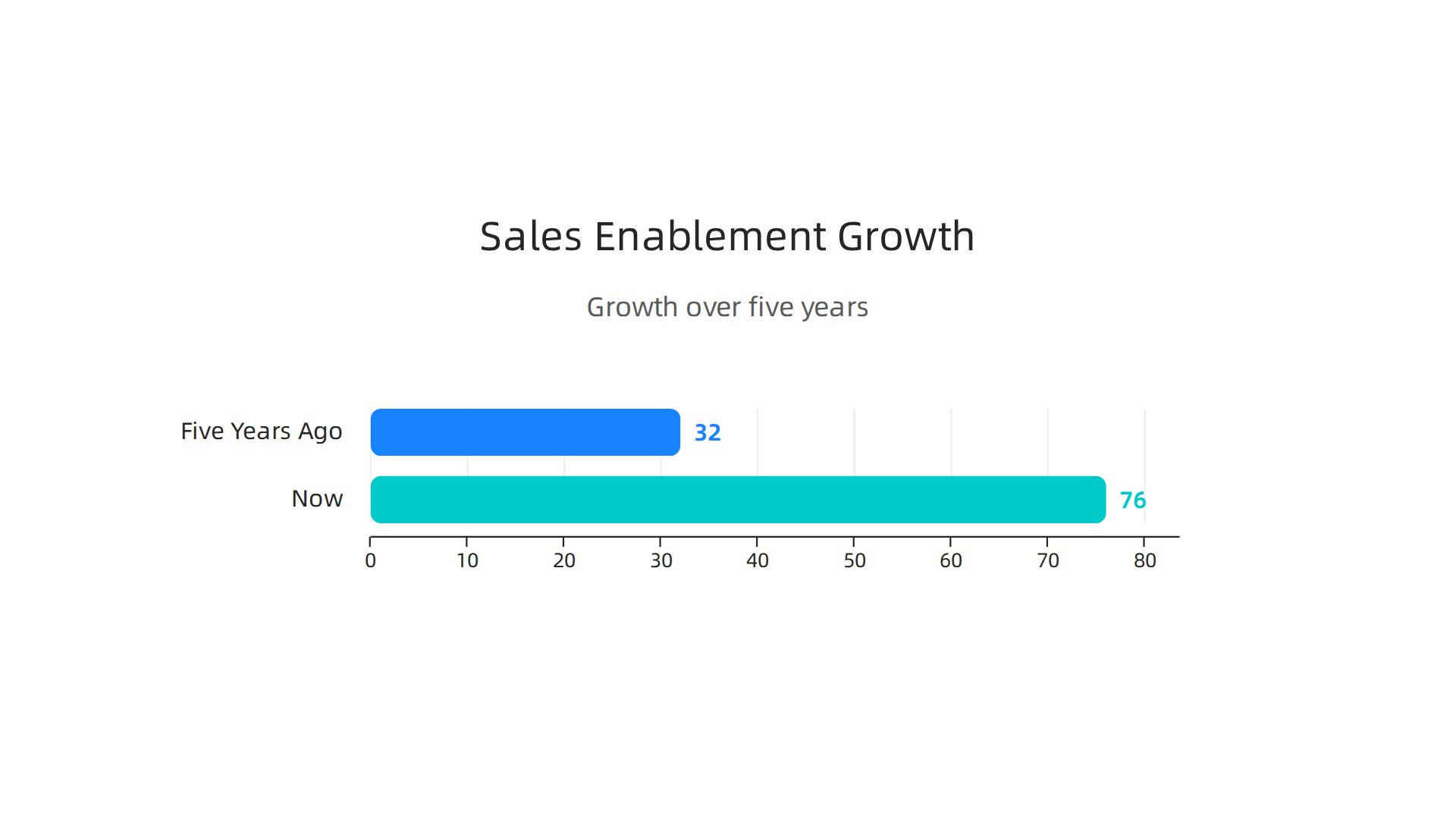
SiftHub. Companies that use sales enablement strategies see an 8% increase in quarterly revenue and a 49% win rate on forecasted deals

Qwilr. These numbers show that sales enablement works.
But here’s what many job seekers miss. You don’t have to wait for a company to provide sales enablement. You can use the same principles to accelerate your own career. Think of it as building your personal sales enablement system.
This article will show you how. We’ll cover practical strategies to overcome common pain points like skill gaps, confusion about pay structures, and interview anxiety. You’ll learn how to use tools like an advanced job search on Indeed to find the right roles faster. We’ll also share Indeed career advice that actually applies to sales professionals in 2026. For a deeper look at using Indeed effectively, check out our guide on finding sales jobs on Indeed with a proven framework.
Whether you’re new to sales or looking to grow, this guide is for you. Let’s start building your career acceleration system right now.
Understanding Sales Enablement and Its Role in Career Growth
You might think sales enablement is just about training. But it’s actually much bigger. In 2026, sales enablement includes content, tools, coaching, and analytics all working together to help sales professionals perform better. The most complete definition comes from experts who describe it as the systematic removal of friction in live deals and the just-in-time injection of execution support Fluint. That is a powerful concept for your career.
Here’s why this matters to you personally. When you understand what sales enablement really covers, you can use it as a framework for your own growth. Instead of waiting for a company to hand you training, you start building your own system. You look for content that teaches you new techniques. You find tools that save you time. You seek coaching from mentors or online resources. This is how you take control.
The numbers back this up. In 2026, a huge 76% of organizations now have a dedicated sales enablement function SiftHub. Companies that invest in enablement see an 8% increase in quarterly revenue and a 49% win rate on forecasted deals Qwilr. These companies know enablement works. So should you.
But the real payoff for you is personal. Professionals who actively engage in enablement programs see faster promotion rates and higher earnings. Think about it. When you sharpen your skills with AI driven coaching and personalized learning paths, which are now major trends in 2026 TrainingPros, you become the candidate companies want to hire and promote. You are not just another applicant. You are a proactive professional who invests in yourself.
The smartest career move you can make is to align your personal enablement efforts with what employers actually need. This creates a win-win situation. You grow your skills. You become more valuable. And companies notice. For example, if you know that a certain industry uses advanced job search Indeed features to find top candidates, you can use those same features to find roles where your new skills will shine. You can also look for companies that already have strong enablement programs, because those are the places where you will grow fastest.
One practical step is to use Indeed for a fast job search that targets organizations with a strong sales enablement culture. That is why we put together a guide on finding sales jobs on Indeed with a proven framework. It walks you through exactly how to spot the right opportunities.
When you understand sales enablement and use it as your personal career system, you stop feeling stuck. You start moving forward with purpose. The next part of the article will show you how to build your own personal enablement plan and use Indeed career advice to find the roles that fit your new direction.
Identifying Skill Gaps and Building a Personal Development Plan
You now understand what sales enablement is and why it matters for your career. But knowing is one thing. Taking action is another. The next step is to find where your skills are weak and build a plan that makes you stronger. This is how you turn enablement from a concept into a daily habit.
Common skill gaps in 2026
Every sales professional has blind spots. The trick is finding yours before a hiring manager does. In 2026, the top skills employers look for include CRM and AI proficiency, relationship building, business development, and sales development Morgan McKinley. The experts also point to AI fluency, consensus selling, deep listening, and emotional intelligence as game changers Pulse Recruitment. If you are weak in any of these areas, it is holding you back.
Here are the most common skill gaps we see:
- Prospecting. Finding the right leads and starting conversations.
- Negotiation. Closing deals without leaving money on the table.
- CRM proficiency. Using tools like Salesforce or HubSpot to track your work.
- Data analysis. Understanding pipeline numbers and using them to improve.
Most companies now offer sales training programs that cover these exact areas Selling Power. But you should not wait for your employer to tell you what you need. You can start today.
How to run a personal gap analysis
A gap analysis sounds fancy. But it is simple. You compare where you are now to where you want to be. Then you list the skills you need to bridge that gap.
Start with a self assessment. Grab a notebook or open a document. Write down every sales skill you can think of. Then rate yourself from 1 to 5 on each one. Be honest. Nobody is watching.
Next, ask for feedback. Talk to your manager, a mentor, or a trusted coworker. Ask them where you could improve. Their answers might surprise you. That outside view is gold. A careers advisor can also give you an honest look at your strengths and weaknesses. Learn more about how a careers advisor helps you land sales jobs faster in 2026.
Build your 90 day development plan
Once you know your gaps, you need a plan. A 90 day plan works well because it is short enough to stay focused but long enough to see real progress.
Here is a simple structure:
Days 1 to 30: Learn
Pick one skill gap to work on. Find a course, watch training videos, or read articles about it. Some of the best sales training companies in 2026 offer programs focused on active listening, empathetic communication, and negotiation Infopro Learning. Spend 30 minutes each day on this skill.
Days 31 to 60: Practice
Use your new skill in real conversations. Try it with prospects, clients, or even during team meetings. Record yourself if you can. Look for what works and what does not.
Days 61 to 90: Measure
Look at your numbers. Did your win rate go up? Did you close bigger deals? Did your manager notice? If the answer is yes, keep going. If not, adjust your approach.
Make it stick
The best plans fail without consistency. Block time on your calendar every day for skill building. Treat it like a client meeting. And use the tools available to you. A fast job search becomes easier when you already have the skills employers want. Use indeed career advice articles to spot trends in what companies are asking for, then adjust your plan.
When you identify your skill gaps and build a personal development plan, you stop hoping for a promotion. You start earning it. And that is the kind of sales enablement that changes your career.
See Listings
Navigating Sales Compensation Models to Maximize Earnings
You have the skills. You have the development plan. But if you do not understand how you get paid, you are still leaving money on the table. Let me show you how to fix that.
Here is the thing. Many sales reps look only at the base salary. They ignore everything else. In 2026, that mistake can cost you thousands of dollars. The best reps know that understanding sales compensation models is just as important as knowing how to close a deal.
The Common Compensation Models in 2026
Companies use different plans to pay their teams. Each one changes how you approach your day. The right sales compensation structures set clear goals and motivate you to perform AIHR. Here are the models you will see most often:
| Model | How It Works | Best For |
|---|---|---|
| Straight Salary | You get the same paycheck every time. No commission. | Support roles or customer success. |
| Salary + Commission | You get a base salary plus extra pay for deals you close. This is the standard in 2026. | Most B2B sales roles. |
| Draw Against Commission | You get an advance when you start. You repay it with future commissions. | New reps building a pipeline. |
| Profit Sharing | You earn a share of the company’s total profit. | Leadership or small companies. |
Most companies use salary plus commission in 2026. The average B2B sales commission varies by industry, so it pays to know your numbers Fullcast.
Total Compensation Components
A job offer is more than just one number. You need to look at the full package. The 2026 Robert Half Salary Guide shows that base salaries have shifted across industries Robert Half. But the base is only part of the story.
Here are the components that add up to your real earning potential:
- Base salary. Your guaranteed income. This is your safety net.
- Variable pay (commission). This is where you control your upside. Know the rate before you say yes.
- Bonuses. Many companies offer SPIFs or quarterly bonuses for hitting specific goals.
- Accelerators. Here is the secret weapon. Some plans pay you a higher commission rate once you pass quota. Top performers use accelerators to double their variable pay Xactly.
When you evaluate a role, add up all these parts. That is your true earning potential.
Use This Knowledge to Earn More
Knowing the model is step one. Using it to negotiate is step two.
Start with benchmarks. Sales compensation benchmarks show what similar companies pay their teams CaptivateIQ. Commission rates also vary by industry and region Visdum. Use this data before you negotiate.
Then, ask the right questions. If the base salary is firm, push for a higher commission rate. If the quota feels high, ask for an accelerator. A 20% commission on overages can make a huge difference.
Finally, use this knowledge to choose where you apply. A high-base, low-commission role is safe. A low-base, high-commission role can make you wealthy if you can sell. Know your style. And when you start your search, use a proven approach to find the best opportunities. A structured search will help you focus on roles that fit your compensation goals. Use our proven framework to find sales jobs on Indeed and target roles with the plan you want.
Sales compensation does not have to be confusing. When you understand the model, the components, and the benchmarks, you stop guessing. You start earning. That is the kind of sales enablement that changes your bank account.
Find Jobs
Mastering Interview Preparation for Sales Roles
You know how you get paid. You know which pay model fits you best. Now comes the hard part. You have to convince a hiring manager that you are the right person for the job.
Sales interviews in 2026 are not the same as they were a few years ago. Companies want to see real skills, not just smooth talking. They test your ability to handle objections, your knowledge of their market, and your comfort with modern tools like AI. The good news is that you can prepare for all of it. Here is how.
What Sales Interviews Look Like in 2026
Expect three main types of questions. First, behavioral questions. These ask about your past experiences. Think of things like "Tell me about a time you lost a deal and what you learned." Second, role-play scenarios. You might have to pitch a product or handle a tough customer on the spot. Third, pipeline reviews. The interviewer will ask how you manage your time and prioritize leads.
The best 2026 sales interview questions also test your understanding of AI in sales, stakeholder mapping, and pipeline discipline Apollo.io. That means you should be ready to talk about how you use tools like CRM data and automation to hit your numbers.
How to Prepare
Start with company research. Do not just read the "About Us" page. Look at their recent blog posts, their competitors, and their customer reviews. Know their pain points. Then practice your value articulation. Can you explain in one sentence why you are the right fit?
Next, handle objections before they come up. Common objections in sales interviews include "Why do you want to leave your current role?" or "Your background is not exactly what we need." Prepare clear, honest answers.
Use the STAR method (Situation, Task, Action, Result) for behavioral questions. It helps you stay on track and sound confident LockedIn AI. For example, if they ask about a challenge, walk through the situation, what you did, and what happened because of your actions.
Mock Interviews Make a Huge Difference

Do not skip this step. Run through a mock interview with a friend, a mentor, or even a recording app. Practice your answers out loud. Then listen back. You will catch places where you ramble or miss key points.
Feedback loops matter a lot. Every time you practice, you get better. And if you can, ask someone in sales to critique your answers. They will spot the gaps you miss.
For even more preparation, check out this Indeed video on interview tips for the new 2026 job market Indeed. It covers strategies that work in today’s hiring landscape.
Final Tips
Plan your answers to the most common 2026 interview questions. Topics like "Tell me about yourself" and "Why do you want to work here?" still come up often Corporate Navigators. Have a short, powerful story ready for the first question.
Also, be ready for role-plays. Many sales interviews now include a live call or pitch. Stay calm. Focus on listening to the "customer" and asking good questions. That matters more than having the perfect script.
Finally, use your sales enablement skills on yourself. Treat your interview like a deal. Research the prospect (the hiring team). Understand their needs. Present your value clearly. And close by asking for the next step.
Good interview preparation can cut your job search time in half. When you combine this with an advanced job search indeed strategy and a focus on the right roles, you land faster. Want help finding the best opportunities to practice on? Use our curated job listings to find sales roles that match your skills.
Remote Sales Enablement: Tools and Strategies for Success
You aced the interview. You got the offer. Now you are working from home. But selling remotely is different from selling in an office. You do not have a manager walking by to answer your quick question. You do not have teammates to bounce ideas off in the break room. You are on your own.
That is where sales enablement comes in. Sales enablement is the process of giving you the tools, training, and support you need to sell better. In 2026, remote sales enablement is not optional. It is the backbone of a successful home office setup.
The Tools You Need
Your sales enablement stack starts with a good CRM. This is where you track leads, manage your pipeline, and log every call. Tools like Salesforce and Highspot combine content management, training, and coaching all in one place Highspot. They help you find the right pitch deck fast and know what to say next.
Next, you need video prospecting tools. Cold calling still works, but video messages get more replies. A quick personalized video can open a door that a voicemail never will. And you need a reliable video meeting platform for demos and discovery calls.
Coaching platforms are also part of the mix. Many companies now use AI-powered tools that listen to your calls and give feedback. They point out where you rush or where you miss a buying signal. This helps you improve without waiting for a monthly review.
The best sales enablement tools in 2026 combine prospecting, engagement, and pipeline intelligence Apollo.io. That means you do not jump between five different apps. Everything works together.
Strategies That Make Remote Work
Tools alone are not enough. You also need a smart routine. Here is what works:
- Set a schedule. Start your day at the same time. Block out time for prospecting, follow-ups, and admin. Do not let meetings eat your entire day.
- Create a dedicated workspace. A quiet spot with good lighting and a stable internet connection is a must.

Your video calls will look professional, and you will focus better.
- Build self-discipline. Nobody is watching you. You have to manage your own time. Use a timer if you need to stay on task.
- Leverage your network. Join online sales communities. Share what works. Ask for advice. Remote work can feel lonely, but you do not have to go it alone.
Building a remote routine and connecting with other sales pros boosts your performance. It keeps you accountable and sharp.
If you are looking for more guidance on finding the right remote sales job, check out our guide on how to land legitimate part-time remote sales jobs in 2026. It walks you through where to look and what to watch out for.
Keep Learning
Sales enablement is not a one time thing. Tools change. Buyers change. The best reps keep learning. They use coaching tools, read industry blogs, and practice their pitch every week.
Your goal is to become a better seller every day. When you combine the right tools with the right routine, you will crush your quota and build a long career in remote sales.
Ready to put these strategies to work? Browse our curated sales listings to find remote roles that fit your skills and goals.
Mapping Your Career Path: From SDR to VP of Sales
You now have the sales enablement tools and routines to thrive in a remote role. But where do you go from here? Sales is not a dead-end job. It is one of the fastest career ladders in the business world. You can start as a junior rep and end up leading an entire sales organization.
In 2026, the typical career path in sales follows a clear structure. Understanding these stages helps you plan your next move and pick the right skills to develop.
The Standard Sales Career Ladder
Here are the common stages most sales professionals move through:
| Stage | Typical Role | Average Time in Role |
|---|---|---|
| 1 | SDR or BDR | 12 to 18 months |
| 2 | Account Executive (AE) | 2 to 3 years |
| 3 | Senior AE | 2 to 4 years |
| 4 | Sales Manager | 2 to 3 years |
| 5 | Director of Sales | 3 to 5 years |
| 6 | VP of Sales | 5+ years |
Most people start as a Sales Development Representative (SDR) or Business Development Representative (BDR). In this role, you focus on prospecting and qualifying leads. It is the entry point into tech sales. The average SDR stays in this role for about 12 to 18 months before moving up. High performers can get promoted to Account Executive in as little as 10 to 12 months.
Skills You Need at Each Stage
Each level demands different strengths. As an SDR, you need persistence and strong communication. You learn to handle rejection and keep dialing.
When you become an Account Executive, the game changes. You now manage full sales cycles. You need to negotiate, handle objections, and close deals. Your sales enablement training shifts from prospecting tactics to deal management and strategies.
At the Senior AE level, you work on larger, more complex deals. You mentor junior reps. You start understanding how to build relationships with C-level buyers.
Moving into management as a Sales Manager means you stop selling yourself. You now coach others. You learn to forecast revenue, hire, and train your team.
Directors and VPs focus on strategy. They design sales processes, set quotas, and align the sales team with company goals. The path to VP of Sales typically spans 10+ years and often starts in sales, marketing, or operations.
Creating Your 5-Year Plan
A clear plan accelerates your progression. Here is how to build one:
- Set milestones. Decide where you want to be in one year, three years, and five years. Do you want to be a Senior AE? A Manager? Write it down.
- Find mentors. Connect with people who have walked the path you want. Ask them for advice on skills to learn and moves to make. Mentors can open doors you did not know existed.
- Invest in training. Use your company’s sales enablement resources. Take courses on negotiation, leadership, and forecasting. The best reps never stop learning.
- Track your wins. Keep a folder of your best deals, positive feedback, and results. When promotion time comes, you have proof of your impact.
If you are just starting out and looking for entry points, check out our guide on how to land legitimate part-time remote sales jobs in 2026. It covers where to find your first role and how to stand out.
The Big Picture
Sales careers are not as rigid as they used to be. The average rep now stays in a role for 18 to 30 months, which reflects the fast pace of advancement. You can accelerate your growth by focusing on skills, building relationships, and using the right enablement tools at every stage.
Your path from SDR to VP of Sales is real. Thousands of people have walked it before you. With a plan and the right support, you can too.
Ready to take the first step? Explore our curated job listings to find remote sales roles that align with your career goals.
Summary
This article shows sales professionals how to use sales enablement as a personal career accelerator rather than waiting for employer-driven programs. It explains what sales enablement includes in 2026—training, content, tools, coaching, and analytics—and why those elements matter for faster promotions and higher earnings. You’ll learn how to run a simple skills gap analysis, build a focused 90-day development plan, and choose roles that match your compensation goals. The guide also covers how to evaluate job offers by adding base, commission, bonuses, and accelerators; how to prepare for modern interview formats including role-plays and pipeline reviews; and which tools and routines make remote selling effective. Finally, it walks through a typical sales career ladder from SDR to VP and points to job-search strategies (especially on Indeed) that help you find the right roles faster.